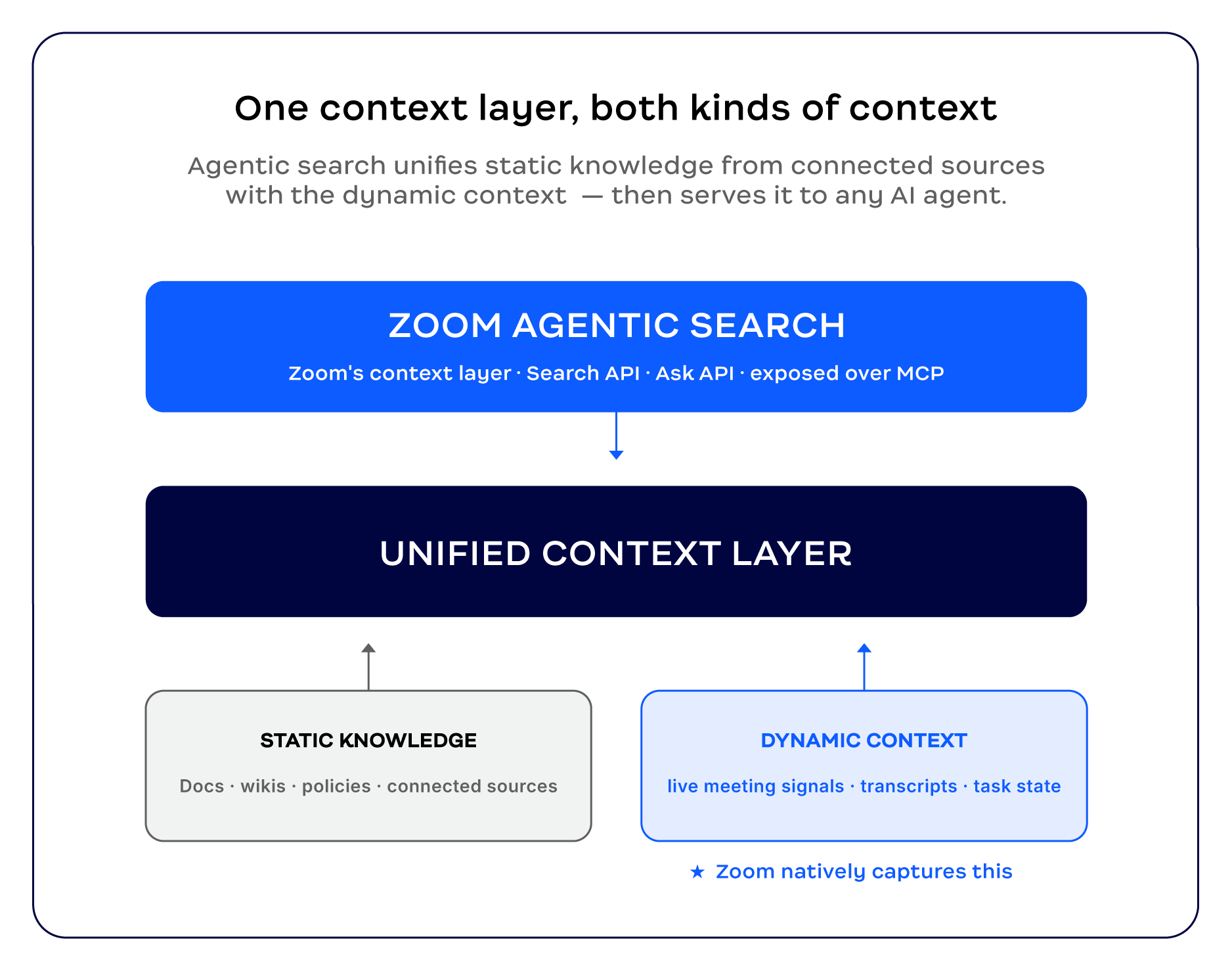
Self-service AI tools run on large language models like ChatGPT, Claude, Meta, or DeepSeek. Companies upload documentation about their products and services, like descriptions and manuals, to their knowledge base. You can then set up workflows according to your most commonly asked questions and queries. When your AI self-service tool talks to a customer, it serves the appropriate response to that query based on the workflow and information in the knowledge base. This helps answers stay accurate, compliant, and on-brand.
Some AI-powered customer service tools go further by drawing responses from a company’s customer relationship management (CRM) system. This adds extra functionality like letting customers log in to check their order status, update their personal details, get buying recommendations based on their purchase history, and review previous support requests without needing to speak to a live agent.
AI self-service tools are part of a wider trend toward customer service automation, which involves using technology to support humans when they handle routine jobs.
A good everyday example is the email confirmation that’s sent after you sign up for a newsletter. A human didn’t send that email. Instead, your signup triggers an automated workflow, just like how an AI tool replies to a support question. AI self-service takes this same principle and applies it to conversations, not just tasks. A new era of agentic AI makes it possible for self-service solutions to resolve more complex queries with minimal human involvement.








 6 min read